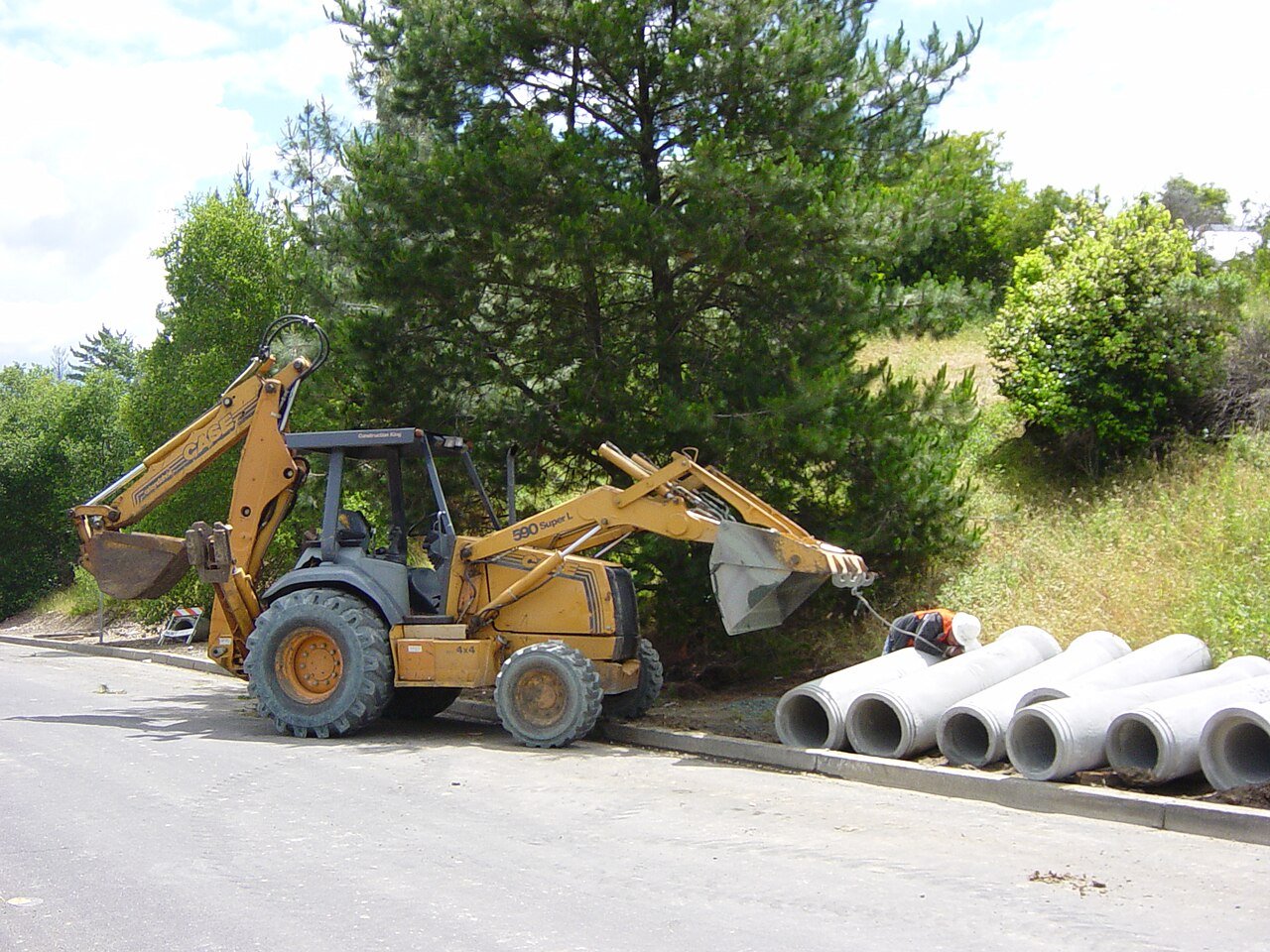
Every month, thousands of excavators change hands around the world. Most of them are perfectly serviceable machines leaving fleets that upgraded, downsized or simply ran them to the point where the next owner can still make money on them. The trouble is that the market is uneven: the same model can sit in different sales channels at very different prices, and the difference is rarely the machine itself.
1. Where Used Excavators Are Sold
Used excavators move through four main channels, and each suits a different buyer:
- International auction houses — both physical and online auctions move large volumes of late-model machines from fleet renewals and repossessions. Prices can be excellent, but you buy on the condition report and, often, without a running test. Know the auction's inspection and dispute rules before you bid.
- Dealer lots — dealers usually offer inspected, serviced machines with some form of warranty or return policy. You pay more, but you buy less risk and usually get honest hours and service history.
- Online marketplaces — the widest selection and the widest quality spread. Photos can flatter; hours can be optimistic. Treat any listing you cannot inspect in person with extra caution.
- Direct from owners and contractors — fleet refreshes often sell well-maintained machines quietly. You can inspect the machine in its working environment, which is the best possible test, but you handle paperwork and transfer yourself.
Geographically, the Gulf — especially the Dubai and Sharjah used machinery market — is a major hub for buyers across the Middle East and Africa, while UK and European listings attract buyers from across the region. Wherever the machine sits, the buying logic is the same.
2. How the Price Is Really Built
The sticker price is decided mainly by age, operating hours, brand reputation, condition and attachments. What surprises most first-time buyers is everything that stacks on top:
- Inspection — a third-party inspection or your own engineer's visit costs a little and can save a lot. Use a structured inspection checklist so nothing gets skipped in the excitement.
- Freight — container or RoRo shipping, plus inland transport at both ends. Distance and port choice change this line significantly.
- Import duty and taxes — these differ sharply by country and by machine age. Check your local rates before you bid, not after you win.
- Reconditioning — the real cost of any used machine. Undercarriage wear is the biggest line item; our track wear guide shows how to measure it. Budget also for filters, seals, hoses and any hydraulic work. Our cylinder repair vs replacement guide helps with the most common hydraulic cost.
- Compliance — some markets require emissions documentation, registration or age limits for imported machines. A machine that cannot be registered is worth far less than its auction price.
Add these lines together and a "cheap" auction machine can land at the same all-in cost as a dealer machine with a service history. That is not an argument against auctions — it is an argument for doing the full arithmetic before bidding.
3. Protect Yourself Before You Pay
Three habits separate profitable used-machine buyers from the rest:
- Verify the paperwork — serial number, ownership and import history, service records and hours meter. Cross-check the serial against the registration and the engine number. Discrepancies are deal-breakers, not negotiation points.
- Inspect with discipline — engine cold start, hydraulic warm-up, track and undercarriage measurements, structural welds and leaks. The inspection checklist walks through all of it in order.
- Plan the parts package — every used machine needs wear parts soon after arrival. Pairing the purchase with a reconditioning parts order — filters, seals, undercarriage, bucket teeth — gets the machine earning faster and usually cheaper than buying parts locally at retail. Our used machinery pages show how inspected machines are prepared for export, and the parts catalog covers the consumables you will need.
One more consideration: a tired machine with low hours can be a worse buy than a well-maintained high-hour machine with documented service. Hours alone never tell the story — condition and history do. If you are importing from overseas, our guide to importing used machinery from China covers the shipping and customs side, and buyers in the Gulf and Africa will find the regional buying guide useful too.
Looking for a Used Excavator or a Reconditioning Parts Package?
Send us the model and hours you are after, or the machine you already bought — we will quote parts and answer questions about preparation and shipping.
Chat on WhatsApp Email sales@cn-machinery.com